

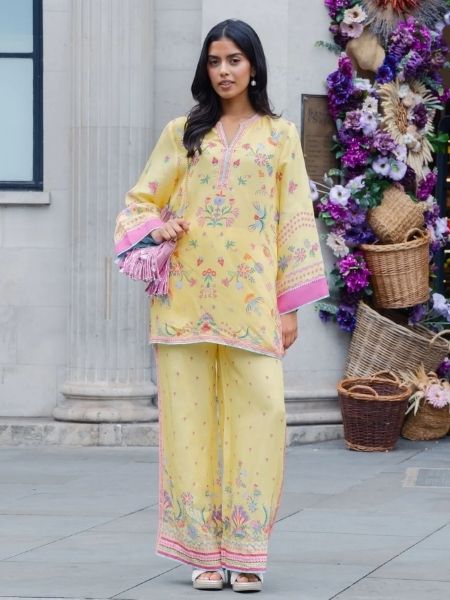

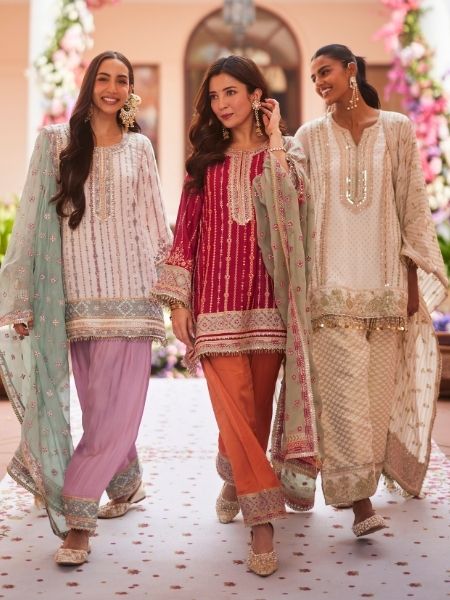
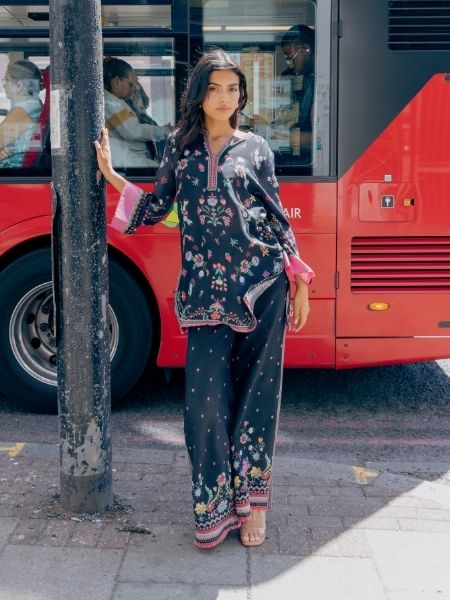


There's a particular kind of heartbreak that comes from watching a favourite outfit fade, fray, or lose its shape long before it should. The good news? It's almost always avoidable. Cotton, linen, and organza are some of the most beautiful fabrics to wear. They’re soft, breathable, effortlessly elegant, but they're also natural fibres, which means they ask for a little more thoughtfulness than a quick toss in the wash.
At Mulmul, we work with these fabrics because they let your skin breathe and your style speak. But we also believe a great outfit should be a long-term relationship, not a one-season fling. So here's our honest, no-nonsense guide to caring for your cotton, linen, and organza pieces- the kind of care that keeps them looking and feeling new, wear after wear, year after year.
Cotton: Soft, Strong, and Worth the Extra Care

Cotton has a quiet kind of magic- the more you wear it and wash it, the softer it gets. But that same natural fibre structure that makes it so breathable also makes it sensitive to heat, harsh detergents, and rough handling.
Wash cold, always. Hot water is cotton's biggest enemy, it causes shrinkage, fades colour faster, and weakens the fibres over time. Cold water keeps both the fit and the shade intact.
Hand wash where you can. A gentle hand wash, especially for embroidered or detailed cotton pieces, helps preserve delicate threadwork far better than a washing machine ever will. If you must machine wash, use a gentle cycle and a mesh bag for protection.
Go easy on the detergent. Cotton doesn't need aggressive cleaning agents. A mild detergent, used sparingly, keeps the fabric's natural softness from breaking down.
Skip the wringing. Twisting and wringing distorts cotton's fibres permanently. Instead, gently squeeze out excess water and let the rest air dry.
Dry away from direct sun. Sunlight is wonderful for drying, but it's not so kind to colour. Dry your cottons in shade or indoors to keep prints and dyes looking as vibrant as day one.
Iron on low, with a cloth barrier. If your cotton piece has embroidery or delicate trims, place a thin cloth between the iron and the fabric, and always use a low heat setting.
Linen: Embrace the Wrinkles, Respect the Weave

Linen is the fabric for women who love effortless elegance. That slightly textured, lived-in look is part of its charm, not a flaw to fight. But linen fibres are also less elastic than cotton, which means they need gentler handling to avoid weakening over time.
Cold or lukewarm water only. Hot water breaks down linen's natural fibres faster than almost any other fabric on this list. Stick to cold or mildly warm water to protect both the weave and the colour.
Hand wash or use a delicate machine cycle. Linen handles a gentle hand wash beautifully. If you're using a machine, the delicate cycle with a low spin setting is the safest choice.
Don't twist or wring. Linen creases easily, and wringing only deepens those creases into permanent lines. Press out water gently instead.
Dry flat or on a padded hanger. Hanging linen on thin wire hangers can stretch the shoulders out of shape over time. A flat surface or a padded hanger helps your linen piece retain its original silhouette.
Iron while slightly damp. Linen irons best when it isn't bone dry. A slightly damp piece, ironed on a medium-low setting, smooths out beautifully without scorching the fibres.
Store it breathable. Avoid sealing linen in plastic covers for long periods as it needs to breathe, even in your wardrobe, to stay fresh and crease-resistant.
Organza: Delicate by Design, Durable with the Right Care

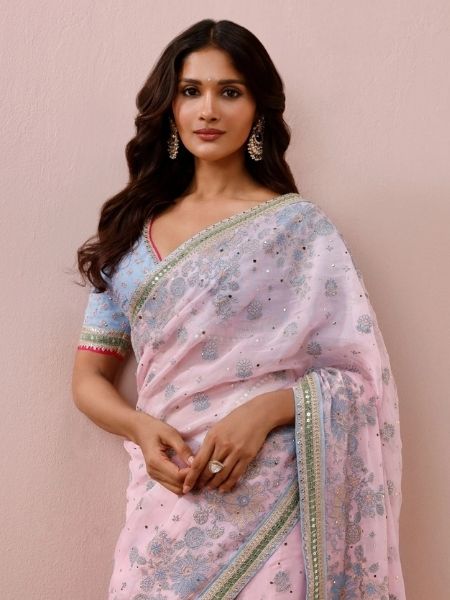
Organza is the showstopper of the three. It is sheer, structured, and effortlessly elegant. But its lightness is also what makes it the most delicate to handle. With the right approach, though, an organza piece can stay just as crisp and beautiful for years as it was the day you bought it.
Hand wash in cold water, gently. Organza doesn't respond well to vigorous scrubbing or rough agitation- it can distort the weave or pull at delicate seams. A gentle hand wash in cold water is always the safest route.
Avoid wringing completely. Organza is woven to hold its structure, and wringing can permanently crease or warp that shape. Press water out gently with a towel instead.
Air dry away from direct heat. Skip the dryer entirely. Hang your organza piece to dry naturally, ideally out of direct sunlight, to prevent both shrinkage and colour fading.
Iron with a protective cloth, on the lowest setting. Place a thin cotton cloth between the iron and the organza, particularly over any embroidery, sequins, or trim work, and use the lowest possible heat. This prevents snagging, scorching, or melting any delicate detailing.
When in doubt, dry clean. For heavily embellished or richly detailed organza pieces- think bridal or occasion wear- a professional dry clean is often the safer, longer-lasting choice.
Store it flat or loosely folded. Organza holds creases easily, so avoid tightly folding it for long periods. A breathable garment bag, stored flat or loosely hung, keeps it crease-free and ready to wear.
The Mulmul Rule of Thumb
If there's one philosophy that applies across cotton, linen, and organza, it's this: treat these fabrics the way you'd want to be treated- gently, patiently, without unnecessary heat or harshness. Cold water over hot, hand wash over machine, air dry over tumble dry, and a little extra care during ironing. None of this is complicated. It just asks you to slow down for a few extra minutes and in return, your favourite pieces stay soft, vibrant, and beautifully intact for years to come.
After all, a fabric this good deserves a wardrobe life that matches.