



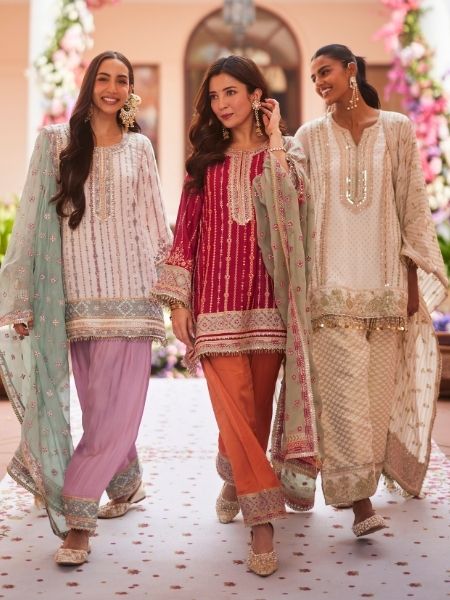



You found the perfect piece. The print is exactly right, the fabric feels like a dream, and you've already planned three occasions to wear it to. The last thing you want is for a careless wash to ruin everything.
Good news: caring for your Mulmul pieces isn't complicated. It just requires a little intention and once you know what each fabric needs, it becomes second nature. This is our updated, honest-to-goodness guide to keeping every piece in your Mulmul wardrobe looking and feeling as good as the day it arrived.
First, Know Your Fabric
Mulmul works with a range of fabrics- each one chosen for its breathability, softness, and beauty. Lawn, Supima cotton, organza, linen, cupro satin, they each have their own personality, and their own care language. Here's everything you need to know, fabric by fabric.
Supima Cotton- Handle with Softness

Is mulmul good for summer?
Absolutely! And that's precisely why we use it. Mulmul cotton is ultra-lightweight, woven at a low GSM (50–80 grams per square metre), which means maximum airflow and minimum heat trapped against the skin. It's one of the most breathable fabrics you can wear in Indian summers, and it only gets softer with every wash, which is why so many of our customers consider their Mulmul cotton pieces a long-term wardrobe investment.
Does mulmul cotton shrink after washing?
It can, but only if you wash it in hot water or put it through a harsh machine cycle. Follow these steps and shrinkage is entirely avoidable:
-
Always wash in cold water. Hot water is the number one cause of shrinkage and colour fading in mulmul cotton. Cold water every time, no exceptions.
-
Hand wash where possible. Especially for printed or embroidered pieces, a gentle hand wash preserves the detailing far better than a machine ever will.
-
Machine wash? Use a mesh bag and a delicate cycle. If you're short on time, a gentle cycle with a mesh laundry bag is a safe alternative.
-
Use a mild detergent sparingly. Harsh detergents break down cotton fibres over time and dull the colour of your prints. A small amount of gentle detergent is all you need.
-
Never wring or twist. Gently press the water out instead, wringing permanently distorts the fibres.
-
Air dry in shade. Direct sunlight fades printed fabric faster than almost anything else. Dry indoors or in a shaded spot.
-
Iron on low heat, with a protective cloth over embroidery. Mulmul cotton doesn't need heavy pressing- a light iron on a low setting is more than enough.
Lawn- The Print-Lover's Fabric


How to take care of a saree?
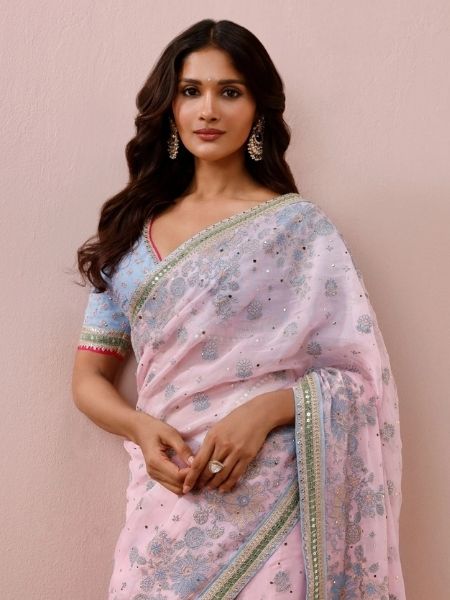
This is one of the most common questions we get- and for good reason. A saree is a bigger investment, and it deserves a little extra attention.
-
Always hand wash your mulmul saree in cold water. Never put it in a washing machine; the agitation can distort the drape and damage delicate borders.
-
Use a very mild detergent or fabric-safe soap. Harsh chemicals are particularly damaging to the fine weave of a saree.
-
Wash the body and the border separately if the colours are very different. This prevents bleeding between contrasting shades.
-
Never wring. Lay the saree flat on a clean dry towel, roll the towel up gently to absorb the water, then unroll and hang to dry in shade.
-
Store folded along the original fold lines. This prevents new, permanent creases from forming across the fabric.
-
For heavily embellished or Banarasi sarees, dry clean only. The embroidery and weave on these pieces need professional handling to stay intact.
Organza- Beautiful, Sheer, and Worth the Extra Minute

Organza is the fabric that makes a room turn when you walk in- sheer, structured, luminous. But it's also the most delicate fabric in your wardrobe, and it needs to be treated accordingly.
-
Hand wash in cold water, very gently. No scrubbing, no soaking. A light swish in cold water is all it needs.
-
Press water out with a towel- never wring. Wringing organza permanently warps the weave and can cause irreversible creasing.
-
Air dry away from direct sunlight and heat. Keep it away from direct sun, radiators, and dryers entirely.
-
Iron only on the lowest setting, with a cotton cloth barrier. This is non-negotiable- organza can scorch, snag, or melt at higher temperatures, especially around sequins or embroidery.
-
Dry clean for heavily embellished pieces. For occasion and festive organza sets, a professional dry clean is always the safest choice.
-
Store loosely- never tightly folded. A breathable garment bag, loosely hung or stored flat, keeps organza crease-free.
Linen- Wear the Wrinkles, Love the Weave

Linen is the fabric of effortless, considered dressing, and its natural texture is part of its charm. But linen fibres are less elastic than cotton, which means they need a little more care to stay in good shape.
-
Cold or lukewarm water only. Hot water weakens linen fibres quickly and causes shrinkage.
-
Hand wash or delicate machine cycle with low spin. Linen handles gentle hand washing very well. If using a machine, keep the spin speed low.
-
Press out water- don't wring. Linen creases deeply when wrung, and those creases can become permanent.
-
Dry on a padded hanger or flat. Wire hangers stretch linen out of shape at the shoulders over time.
-
Iron while still slightly damp on medium-low heat. Slightly damp linen smooths out beautifully. Bone-dry linen is much harder to iron well.
-
Store in breathable covers- never plastic. Linen needs airflow even in your wardrobe. Sealed plastic bags trap moisture and cause the fabric to go dull.
Cupro Satin- The Silky One

Cupro satin is the fabric behind Mulmul's most fluid, silky pieces- the ones that drape like liquid and feel impossibly smooth. It needs the lightest touch of all.
-
Hand wash only, in cold water with a drop of mild detergent.
-
Do not rub or scrub. Swirl gently in water and rinse clean.
-
Press water out between two towels- never wring.
-
Air dry on a padded hanger, away from direct sunlight.
-
Iron on the lowest setting, on the reverse side, with a protective cloth. Never iron cupro satin directly on the surface as it marks easily.
-
Dry clean for embellished pieces.
The Quick-Reference Care Table
|
Fabric |
Wash Method |
Water Temp. |
Drying |
Ironing |
Storage |
|
Mulmul / Supima Cotton |
Hand wash preferred; gentle machine with mesh bag |
Cold only |
Air dry in shade |
Low heat; cloth over embroidery |
Breathable bag or fold |
|
Lawn |
Hand wash; gentle machine |
Cold only |
Air dry flat or wide hanger |
Medium-low; reverse side |
Fold or hang |
|
Mulmul Saree |
Hand wash only |
Cold only |
Flat on towel, then hang in shade |
Low heat |
Fold along original lines |
|
Organza |
Hand wash, very gently |
Cold only |
Air dry; no direct sun |
Lowest setting; protective cloth |
Breathable bag, loosely hung |
|
Linen |
Hand wash; delicate machine cycle |
Cold or lukewarm |
Padded hanger or flat |
Medium-low while damp |
Breathable cover only |
|
Cupro Satin |
Hand wash only |
Cold only |
Padded hanger; no direct sun |
Lowest setting; reverse side |
Breathable bag or hang |
How to Wash Mulmul- The Golden Rules
How to wash mulmul?
Whether it's a saree, a kurta set, or a co-ord- these five rules apply to every single Mulmul piece you own:
-
Cold water, every time. No exceptions.
-
Hand wash when you can. Machines are convenient, but hands are kinder.
-
Never wring. Press, pat, and let gravity do the rest.
-
Air dry in the shade. Sunlight is beautiful, just not for your fabric colours.
-
Store clean, dry, and breathing. Never put away a damp piece, and never seal it in plastic.
That's really it. Five rules, and your Mulmul pieces will last for years helping them stay soft, vibrant, and exactly as beautiful as the day you first wore them.
A Note on Storing Your Mulmuls
How you store your pieces matters almost as much as how you wash them. A few good habits go a long way:
-
Always store clean. Stains that sit in fabric for months are far harder to remove and attract moths.
-
Use breathable cotton or muslin garment bags for sarees, dupattas, and occasion wear.
-
Keep embellished pieces flat to avoid embroidery or sequins snagging on other garments.
-
Use cedar or neem leaves instead of harsh mothballs as they're gentler on fabric and kinder on the nose.
-
Refold stored pieces every few months to prevent permanent fold lines from setting into the fabric.
Care is Part of the Craft
We spend a great deal of time getting every fabric right, choosing what breathes, what drapes, what feels beautiful against the skin. The care you give your pieces at home is simply the final step in that craft. Cold water, a careful hand, a quiet place to dry. That's all it takes to keep the story going. ✨